A First-Timer's Guide to the Scottish Highlands in Shoulder Season
Plan a Highlands trip for late spring or early autumn: where to base, how to pack for four seasons in a day, outsmarting midges, and travelling car-free.
Most first-time visitors aim for July, and it shows. Glencoe's car parks fill early, Skye's viewpoints come with queues, and the midges hold the high ground. Shift your trip to the edges of the season — roughly late April to mid-June, then early September to late October — and you get long daylight, emptier roads, easier beds and a landscape that feels less like a conveyor belt. What you also get is weather that changes its mind four times before lunch, which is what the rest of this guide is for.
Choosing your window
April and May bring waterfalls at full volume, snow still clinging to the high tops, and days stretching out fast. Many visitor attractions reopen around Easter, but a few places — small distilleries, boat trips, some campsites — stay shut until later, so check before you build a day around one.
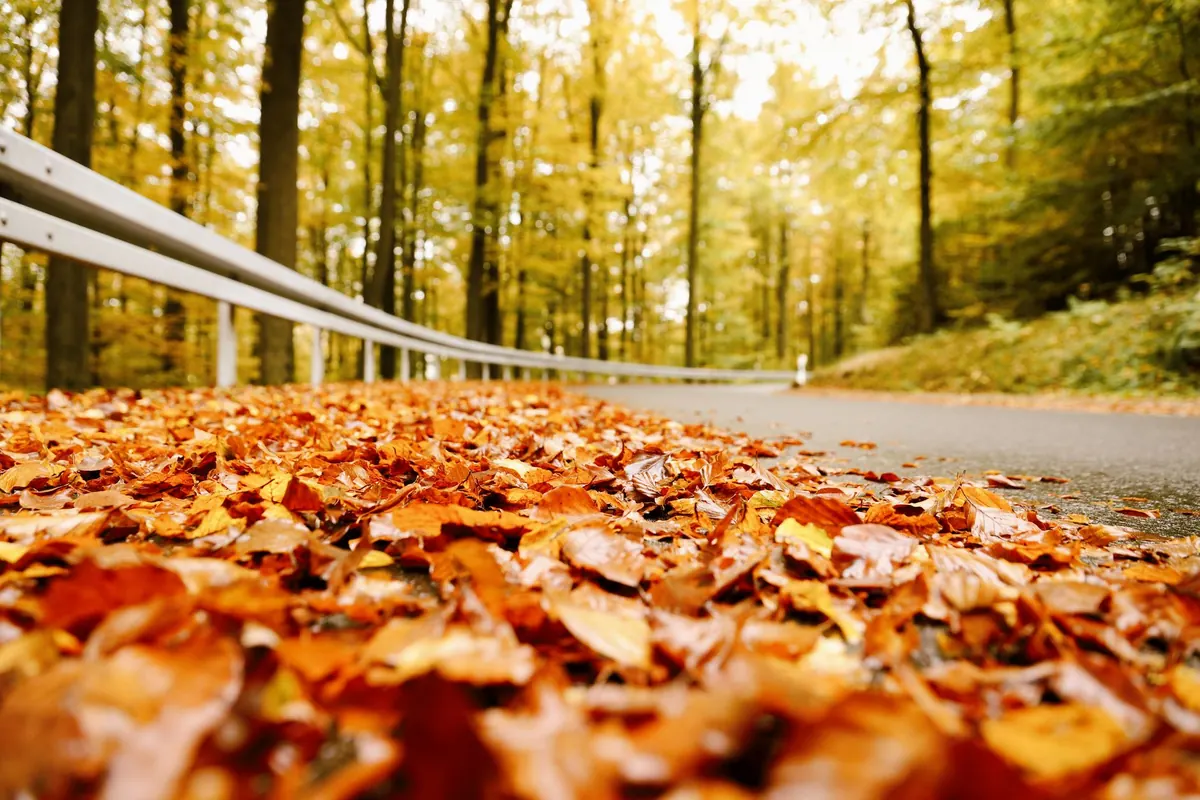
September is arguably the best of the lot: heather out, crowds thinning, midges fading by mid-month, and the sea at its warmest if you fancy a dip. October turns Strathspey and Glen Affric gold, but daylight drops away quickly and by the end of the month it's dark well before six. Several seasonal businesses close after mid-October. None of this ruins a trip; it just means you plan around opening dates rather than assuming everything is running.
Where to base yourself
Resist the urge to tour the whole region in a week. Two bases, three at a push, will give you far better days than six one-night stops. Pick places with a station or a decent bus link, somewhere to eat within walking distance, and a shop.
- Aviemore — Cairngorms access, Speyside whisky, its own railway station and good forest and hill walking from the door.
- Fort William — Ben Nevis and Glen Nevis, Glenfinnan, Glencoe within reach, plus the West Highland Line and coach links west and south.
- Inverness — the transport hub of the north, with easy day trips to Loch Ness, the Black Isle and the Cairngorms.
- Portree, Skye — a good base for the island, though the island itself takes planning without a car.
- Pitlochry or Dunkeld — a gentle first stop if you're arriving by train from Edinburgh or Glasgow.
What to pack for weather that changes its mind
The principle is layers, not one heroic coat. A mild morning in Fort William says nothing about a ridge an hour later, where wind chill can make it feel like February.
- Base layer, fleece or light insulated mid-layer, and a proper waterproof jacket and trousers.
- Waterproof footwear with real grip, plus a spare pair of socks in your daypack.
- Hat, gloves and a buff — you'll be glad of them on any exposed walk.
- A small rucksack with a dry bag or liner, and a refillable water bottle.
- Power bank and a head torch; cold drains batteries quickly.
- Paper map and compass, or downloaded offline maps. Phone signal is patchy to non-existent in many glens.
- Midge head net and repellent (more below), plus sunscreen — May sunshine catches people out.
Check a mountain forecast before hill days and be willing to change plans. Tell someone where you're going and when you expect to be back.
Midges: the small print
Midges are at their worst from late May to early September, most active at dawn and dusk on calm, damp, overcast days, and happiest near water, woodland and long grass. They dislike wind and bright sun, which is most of your defence right there.
- Walk in the middle of the day and choose breezy, exposed routes for evenings.
- Use repellent on exposed skin and follow the instructions on the packaging. If you have sensitive skin, or you're buying for a child, ask a pharmacist what's suitable.
- Carry a head net. It weighs almost nothing and rescues a whole evening.
- Sit in whatever breeze you can find, keep tent doors zipped, and pick accommodation with a midge-proof porch or good screens if you're staying somewhere remote.
Ticks are the other small nuisance, particularly in bracken and deep grass. Check yourself at the end of the day and remove any attached tick promptly with fine-tipped tweezers or a tick tool. If you feel unwell in the days or weeks afterwards, speak to a pharmacist or GP.
Getting around without a car
Scotland's Highlands are more reachable by public transport than most people expect, as long as you accept a slower pace and check timetables in advance.
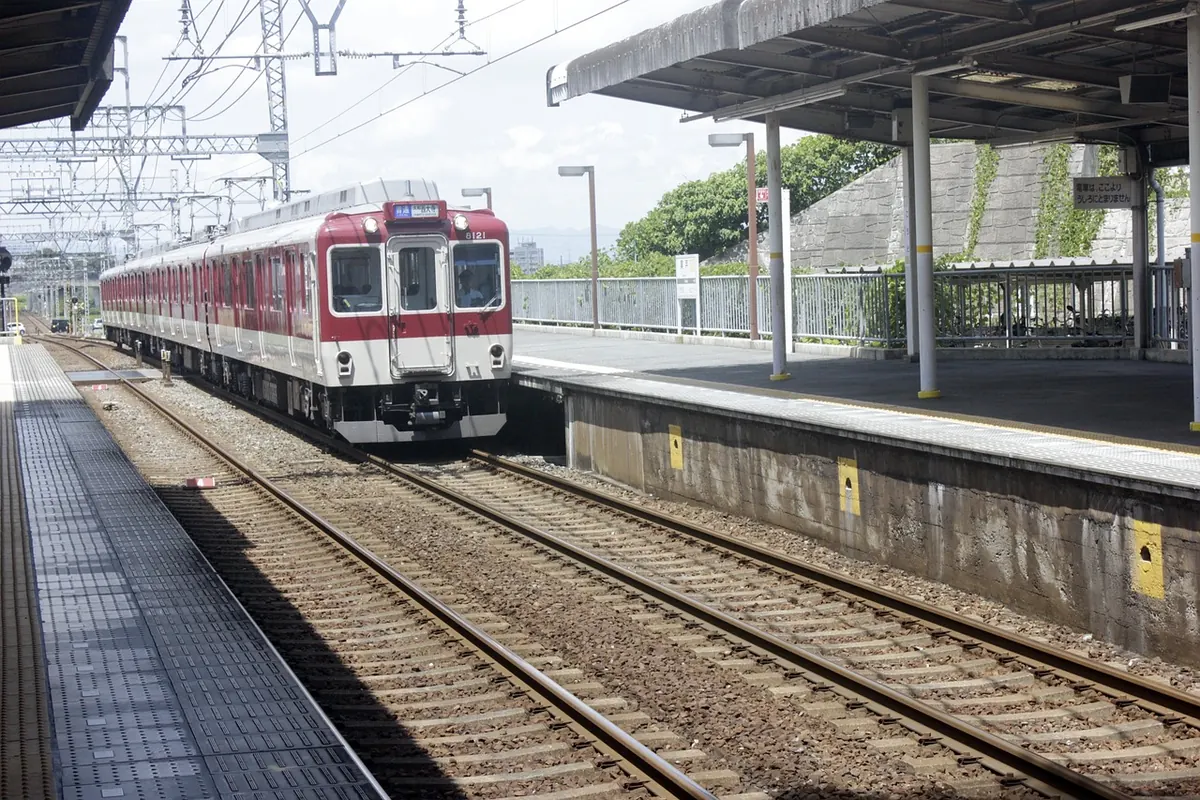
- Trains cover the main lines: Perth to Inverness, Glasgow to Fort William and Mallaig, Inverness to Kyle of Lochalsh, and Inverness north to Thurso and Wick. Book ahead for cheaper fares and reserve a seat where you can; Friday and Sunday services get busy.
- Long-distance coaches fill the gaps and often go where trains don't — Glasgow and Inverness to Skye, Inverness to Fort William, and routes through Speyside.
- Local buses connect towns and villages, but Sunday services are thin and some rural routes run mainly on school days.
- Small-group tours from Inverness, Fort William or Portree are a sensible way to see the far-flung bits — Skye's north end, Glencoe, the Applecross coast — without driving.
- On foot, you have the Great Glen Way, sections of the West Highland Way and the Speyside Way, plus waymarked forest trails from most towns.
Traveline Scotland is the simplest place to compare options. Build slack into connections, and stay within walking distance of the station or bus stop you'll leave from.
Before you book
Reserve accommodation and any popular trains early, especially for weekends and school holidays at either end of the season. Check opening dates for the specific things you care about, and have a wet-weather alternative for each day: a distillery tour, a museum, a long lunch, or a swim at a leisure pool in Inverness or Aviemore. Carry a little food and water, since shops can be a long way apart, and keep a small amount of cash for the rare till that can't take a card.
If you have a health condition that cold, exertion or remote locations could affect, speak to your GP before you travel, and check that your insurance covers whatever walking or activity you're planning. Beyond that, the main thing is to hold your plans loosely. In the Highlands in shoulder season, the day you didn't quite plan is often the best one.
Photo: alyssaowings / Pixabay