

A Beginner's Guide to Booking Affordable UK Domestic Flights
A practical guide to booking UK domestic flights, covering the best time to book, airport choices, baggage costs and when the train is the smarter option.
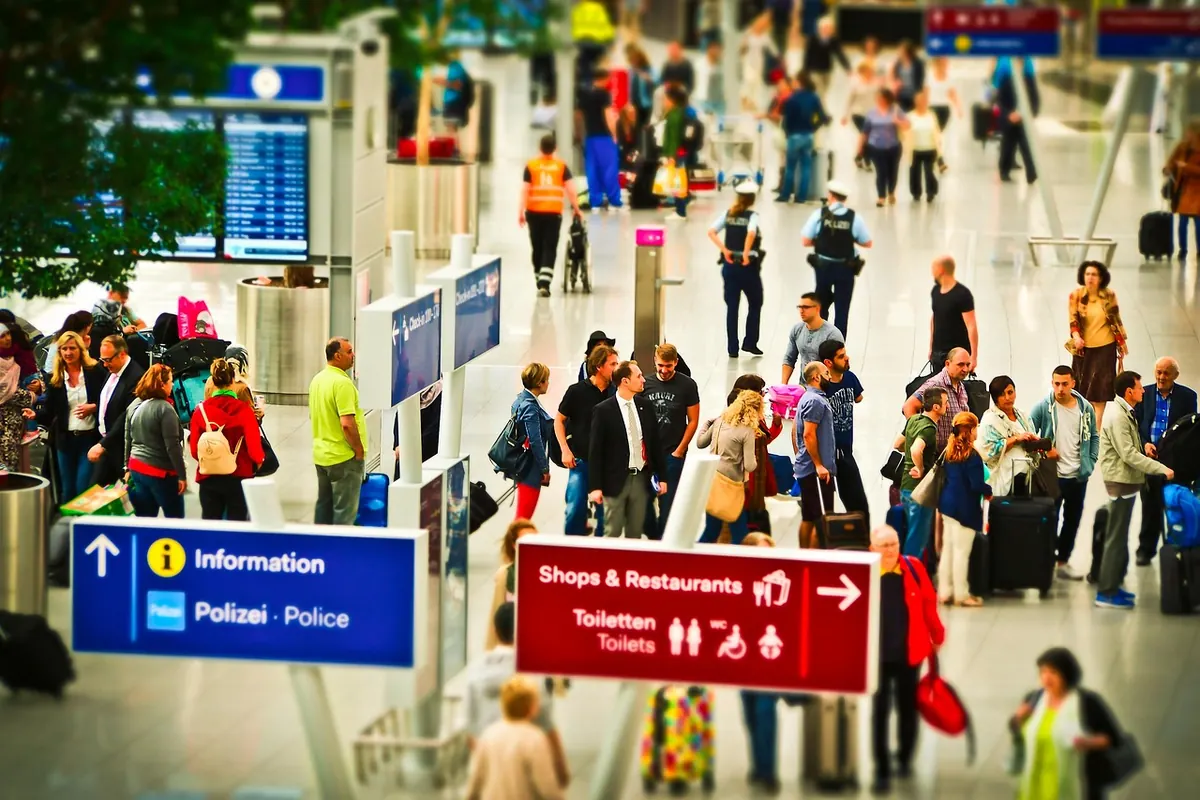
A flight from London to Edinburgh is in the air for roughly an hour and twenty minutes. Getting to the airport, clearing security and travelling into the city at the other end can easily add four hours to that. Domestic flying in the UK is often worth it, but only when the timings and the costs stack up on paper before you pay. Here is what tends to catch people out: when to book, which airport to aim for, what your bag really costs, and when to leave the plane alone and take the train instead.
Start With the Whole Journey, Not the Flight
Before comparing fares, sketch out the full trip. Door to door, not runway to runway.
Say you live in south Manchester and you are visiting friends near Newcastle. The flight takes under an hour, but you need to reach Manchester Airport, arrive with enough time for security, then get from Newcastle Airport into the city or out to where your friends actually live. The train from Manchester Piccadilly to Newcastle Central drops you in the middle of town. Suddenly the "quick" flight is not so quick.
Do this exercise honestly for each option. Add up the taxi or train to the airport, the buffer you need before departure, the transfer at the other end and anything you will pay for along the way. You will often find the plane wins comfortably on long runs north or south, and loses on journeys of three or four hours by rail.
When to Book
Domestic fares are priced by demand, so there is no single magic date. As a rule of thumb, booking roughly six to twelve weeks ahead gives you a reasonable chance of a sensible fare on busy routes such as London to Edinburgh, Belfast or Glasgow. Leave it to the final fortnight and you are competing with everyone else who did the same thing.
Days and times matter
Early Monday departures and Friday evening or Sunday afternoon returns are the most expensive slots of the week. If your plans allow it, a Tuesday or Wednesday lunchtime flight is usually far kinder to your bank balance. School holidays, bank holiday weekends and the run-up to Christmas push prices up across the board.
Book two one-ways, not a return
Most UK domestic fares are priced one way, which means you can fly out with one airline and back with another. It also means you can take the train in one direction and fly in the other. Check both legs separately; a return search does not always show the cheapest combination.
Sales come round frequently, and signing up for a fare alert costs nothing. Just be careful not to book a sale fare you cannot use.
Choose Your Airport Carefully
Airport names can be misleading. Prestwick is marketed as Glasgow but sits a fair distance from the city. Luton, Stansted and Southend are all "London" airports, none of them in London. Check the real transfer time and cost before you commit, because a cheaper fare into an awkward airport rarely stays cheaper once you have paid for the onward journey.
Smaller regional airports can be a pleasure to use — quick security, short walks, no crowds — but they often have limited bus and rail links, and taxis can be steep. Many UK airports also charge for dropping off at the terminal, so factor that in if someone is giving you a lift. If two airports are within reach, compare them properly rather than defaulting to the nearest one.
Baggage: Where Cheap Fares Stop Being Cheap
A low headline fare usually buys you a seat and a small personal bag that fits under the seat in front. Everything else is an extra. Cabin bag dimensions and weight limits differ between airlines, and they are enforced at the gate, so measure your bag rather than trusting the label.
- Personal bag only: cheapest, but you board last and may have it taken at the gate on a full flight.
- Cabin bag plus priority boarding: often a bundle; usually cheaper than paying for each separately.
- Checked bag: compare the bundle fares, which frequently include a hold bag and seat selection for less than the individual add-ons.
- Seat selection: only pay if sitting together genuinely matters. Otherwise take what you are given.
- Airport check-in: some airlines charge for printing a boarding pass at the desk. Check in online.
Once you add a hold bag and a seat, a budget fare can cost more than a flexible ticket on a full-service airline. Compare the total, not the first number you see.
When the Train Is the Better Choice
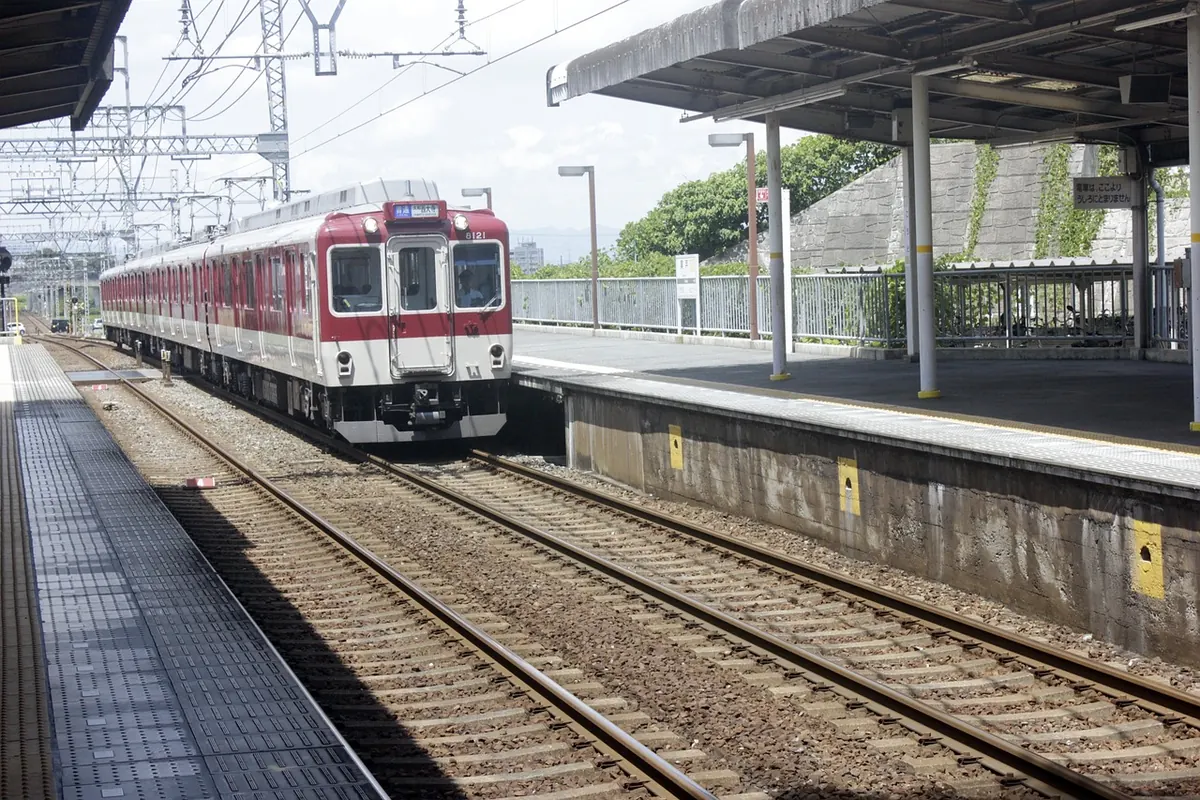
Rail tends to win on city-centre to city-centre journeys of up to about four hours: London to Manchester, Leeds, Bristol, Cardiff or Birmingham, for example. You avoid the airport transfer at both ends, luggage limits are generous, and you can work or sleep the whole way.
The train also wins when your destination is nowhere near an airport, when you are travelling with children or bulky kit, and when your trip is short enough that a delay would ruin it. Advance single tickets booked a few weeks ahead are usually the cheapest option, and a railcard can knock a useful chunk off the price if you will travel more than once or twice. Splitting a long journey into separate tickets sometimes costs less than one through fare, as long as the train calls at the split point.
Flying still makes sense for Scotland and Northern Ireland from southern England, for Cornwall from the north, and for island routes where there is no realistic alternative. If the sea is in the way, the plane has a strong case.
Before You Hit Confirm
Run through this list once, and you will avoid most of the regrets that follow a rushed booking:
- Compare door-to-door time and total cost, not just the fare.
- Check the baggage rules for every airline on your itinerary, including the return leg.
- Confirm how you will get from the airport to where you are staying, and what it costs.
- Read the fare conditions. Cheap tickets are rarely changeable, and some are non-refundable.
- Check your airline's photo ID requirements for domestic flights. A passport or driving licence is usually accepted, but the list varies by carrier, and turning up with the wrong document means being refused boarding.
- Know your rights if things go wrong. If a flight is cancelled or delayed by more than three hours, you may be entitled to assistance and possibly compensation under UK consumer law; the Civil Aviation Authority sets out the rules clearly.
Book when the total price and the timings both work, keep a screenshot of your confirmation, and allow a little slack on the day. Domestic flying in the UK is straightforward once you know which costs are real — and once you are honest with yourself about whether the plane is genuinely the fastest way to get there.
Photo: 652234 / Pixabay